Winter Injuries
February 2, 2022Common Winter Injuries – and How to Avoid Them
Ice, snow, and other weather hazards are ever-present in many parts of the country during the winter months. Even for those of us lucky enough to live in warmer climates, we may find ourselves vacationing in or traveling through the mountains. Emergency rooms and urgent care practices regularly see patients for winter-related injuries – many of which are preventable. Read on to learn more about the most common winter injuries, how to prevent them, and when to seek medical attention.
Slips and Falls
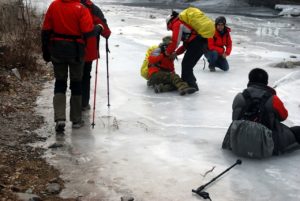
With ice and snow comes an increased risk of slipping and falling when you venture outdoors – a risk that is even greater with kids, who may not be able to judge the conditions outside well enough to be safe. While some falls may seem inevitable, there are many things you can do to decrease your chances of falling in the first place:
- Make sure your kids wear proper footwear outside: Choose shoes with chunky tread or use traction cleats that slip over the sole of your shoe. It may be tempting to wear regular sneakers – or even your slippers – to walk to the mailbox, but taking an extra minute to equip yourself and your kids with proper footwear can save you the pain of a fall and potentially a trip to the doctor.
- Make sure your kids take small steps: If you are walking on ice or packed snow, shoe your kids how to take small, shuffling steps to increase your balance and reduce the risk of falling.
- Keep your hands free and be aware of your surroundings: Many falls happen because kids are distracted – looking down at a phone, trying to juggle school supplies, or simply fiddling with your coat can mean your hands aren’t available to break your fall. Being aware of your surroundings and watching every step can be enough to prevent some falls.
Seeking medical help after a fall
If your child DOES fall, the first thing you should do is stay still and assess them for injuries. If they are able to stand, help them up slowly (or carry them indoors if you are able).
Most falls will result in no more than swelling and bruising. However, bone fractures, sprains, and back pain should be assessed by a medical professional. If your child is unable to move a body part, can’t walk, or is in severe pain, please contact your local urgent care or primary care advice nurse immediately. You will also want to watch for swelling – if swelling does not respond to ice, elevation, and anti-inflammatory medications (such as ibuprofen or acetaminophen), it would also be advisable to seek medical attention.
Snow Shoveling
Shoveling snow is an inevitable chore in many parts of the U.S. It is also a very common cause of back injuries and heart attack due to overexertion, lacerations from falling on ice, and bumps, bruises, and broken bones due to falling. In fact, according to the American Journal of Emergency Medicine, 11,000 adults and children go to the hospital every year for snow-shoveling related injuries. Here are some ways to keep yourself safe and healthy while shoveling snow:
- Be aware of your physical limitations and take breaks: Overexertion can contribute to all sorts of injuries while shoveling snow, including muscle strains, back pain, and heart attack. Take regular breaks when possible.
- Invest in a good snow shovel: Choose one with a long, adjustable handle and a sharp blade on the scoop.
- Shovel smart: Instead of scooping and lifting the snow, which can strain muscles, try pushing it out of the way. Avoid heaving shovelfuls of show over your shoulder, as this can aggravate back injuries.
- Wear slip-resistant shoes: Invest in shoes with heavy tread or use over-shoe traction devices.
Seeking medical help after a shoveling injury
The advice here is similar to dealing with slips and falls: Assess your injuries as best you can before moving, get up carefully and slowly if possible, and seek medical attention if you cannot walk or move a body part or if you are bleeding and cannot get it to stop. If you are having symptoms of a heart attack, please call 911 immediately.
Winter Sports
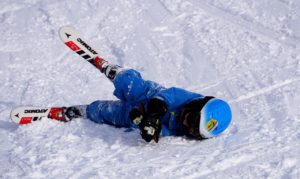
Skiing, snowboarding, and other snow sports are inherently risky activities, but that doesn’t mean that injuries are inevitable. There are many things you can do to reduce the risk and severity of injuries.
- Invest in the proper gear: A well-fitting helmet, gloves, and boots are your first line of defense against snow sport injuries. If you have children participating in winter sports, wrist guards can also be a great way to protect against broken bones due to falls. With very young kids, a harness with a leash or handle to help slow them down as needed is advisable.
- Be aware of your surroundings: Many accidents happen due to collisions between two or more people. Always yield to uphill traffic and be aware of merging trails when skiing or snowboarding. Scan ahead for patches of ice, rocks, and other hazards
- Know your limitations: If you are new to the sport, consider signing up for some lessons so you have a strong foundation and the ability to control yourself. If you are a beginner, stick to easier ski/snowboard runs and always stay within the boundaries of the ski area.
- Use the buddy system: It’s always a good idea for kids to ski/board with an adult or a group so that if they are injured and can’t move, the other can go for help.
- Know where to go for help: Most snow resorts have medical personnel stationed at the top of chair lifts – and if not, there will be staff at the top and bottom of each chair that can use their radio to request help. When you get off at the top of a lift, make a mental note of your starting location and your general route so you know where the closest staff is. Keep a run map with you at all times in case you lose your sense of direction.
Seeking medical help after a snow sports injury
If you injure yourself while skiing or snowboarding, it is important to get help as quickly as possible to avoid the risk of hypothermia. If you are alone and unable to move, get the attention of others by yelling and waving your arms. If you are on skis, stick them in the snow in an upright “X” position; on a snowboard, stick it into the ground straight up. This will make you more visible to those coming down the hill, which will reduce the risk of a collision (which is the last thing you want when you are already injured!). Once you are able, you’ll need to get to the closest ski lift. Once there, staff members can radio for help. Luckily, many resorts have medical facilities onsite where they can treat minor and severe injuries. Once you have been stabilized and are off the mountain, contact your primary care provider or make an appointment with urgent care to address any lingering issues.
If you find yourself suffering from a weather-related injury, head to PedsNow for convenient testing and treatment. We’re here to care for you.